
5 Punk Documentaries Recommended | January

This month, the documentary selection focuses on five titles that capture punk in real time, without the comfortable distance of fiction. These films observe scenes in formation, moments of rupture, and structures sustained by collective effort. From life on tour and the DIY ethos to the impact of mass exposure and the community’s response to violence, these documentaries understand punk as a process rather than a myth. They don’t seek to preserve an era, but rather to examine how a culture is built, strained, and remembered when exposed to its own contradictions.
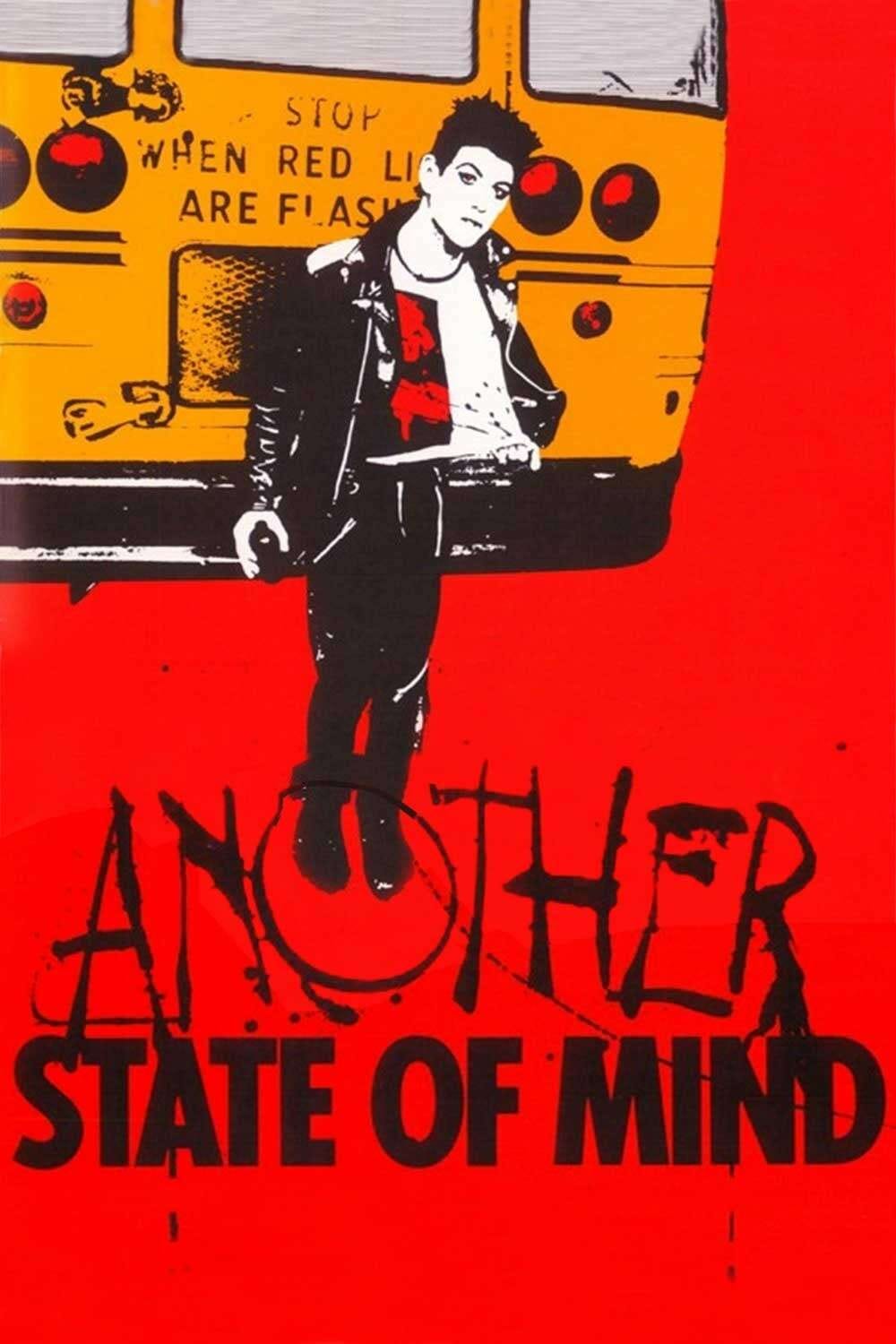
Another State of Mind (1984) | Directed by Peter Stuart and Adam Small
More than a tour documentary, Another State of Mind captures the moment when punk ceases to function as a battle cry and begins to manifest as a physical and mental burden. Following Social Distortion and Youth Brigade on their 1982 tour, the film focuses on internal conflict, fatigue, and ideological tension. The film's value lies not in its concerts, but in what happens offstage: arguments, silences, and the realization that DIY also entails emotional exhaustion.
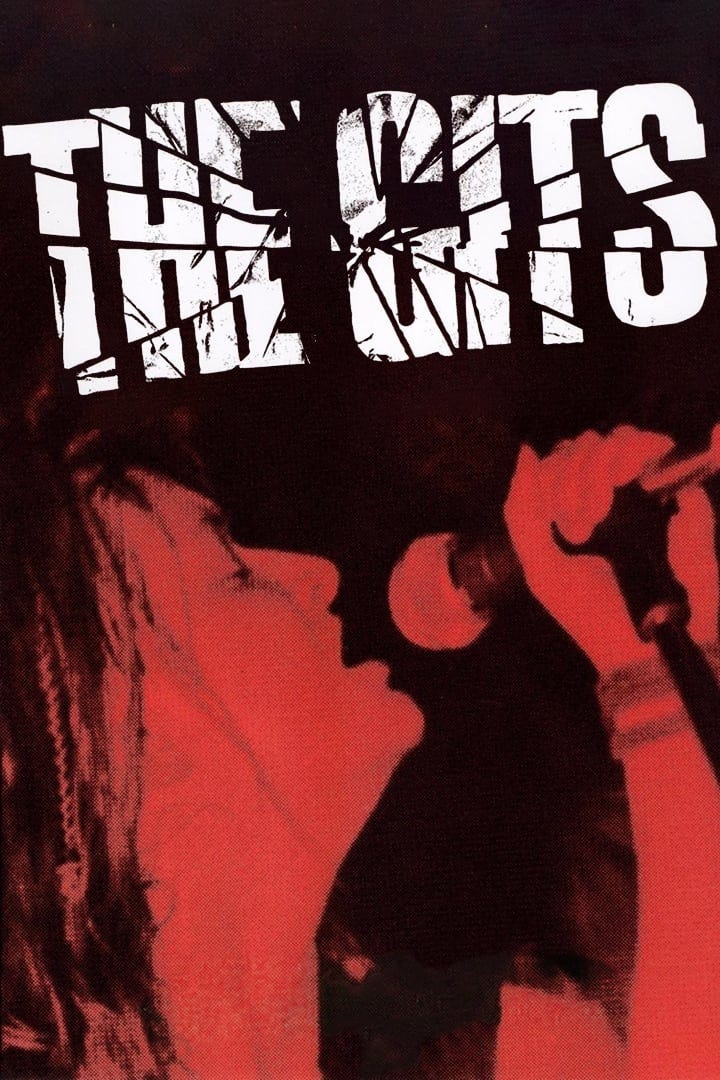
The Gits (2005) | Directed by Kerri O’Kane
The Gits reconstructs the band's history, resisting the sensationalism surrounding the murder of Mia Zapata. The documentary balances the musical trajectory with the broader dynamics of Seattle's punk community, highlighting the collective response and activism. Contributions from Joan Jett and close collaborators place the story within a network of solidarity. The film treats legacy as something sustained through action and memory, rather than frozen in loss.
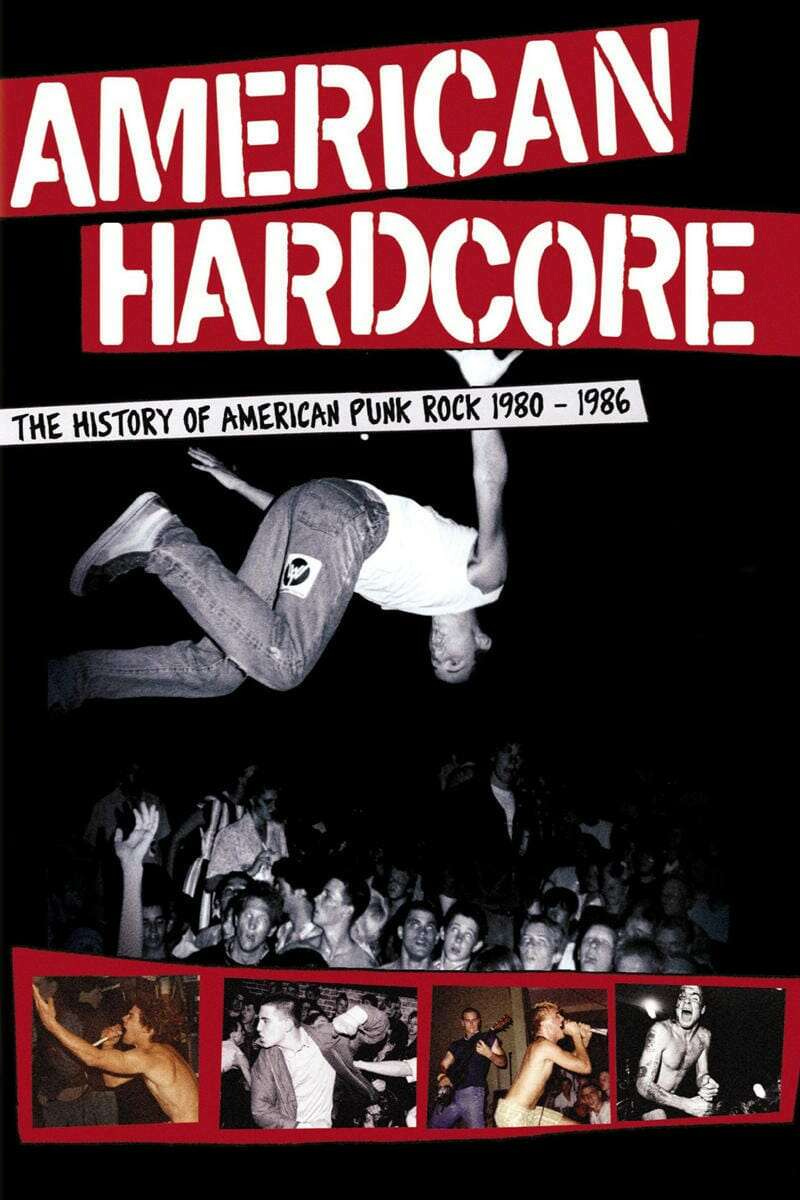
American Hardcore (2006) | Directed by Paul Rachman
Based on Steven Blush's book, American Hardcore: A Tribal History, with Blush also serving as the documentary's screenwriter, the film approaches hardcore as a cultural response rather than a closed canon. Traveling through each city, it connects the sound, speed, and aggression with the social conditions. Bands like Black Flag, Minor Threat, and Bad Brains are framed through context and urgency, prioritizing structure, discipline, and confrontation over nostalgia or heroic narratives.
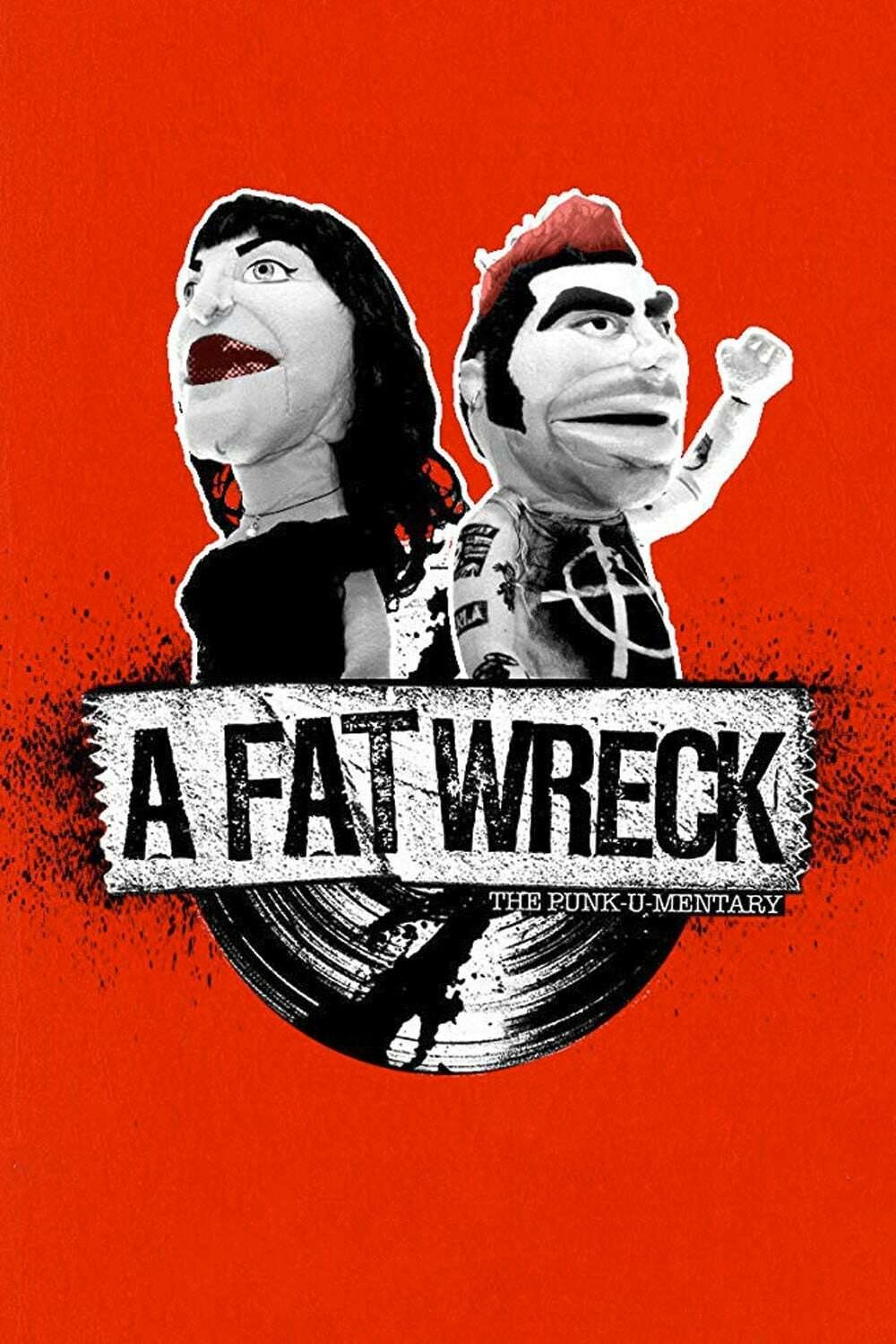
A Fat Wreck (2016) | Directed by Shaun Michael Colón
Shaun Colón examines the story of Fat Wreck Chords not as a success story, but as a case study in sustainability within punk culture. Through the voices of Fat Mike, Erin Burkett, and bands like NOFX, Lagwagon, and Strung Out, the documentary explores how independence became a long-term practice rather than just a slogan. The film avoids nostalgia, focusing on logistics, ethics, and commitment, revealing how a label survived without completely abandoning its oppositional identity.
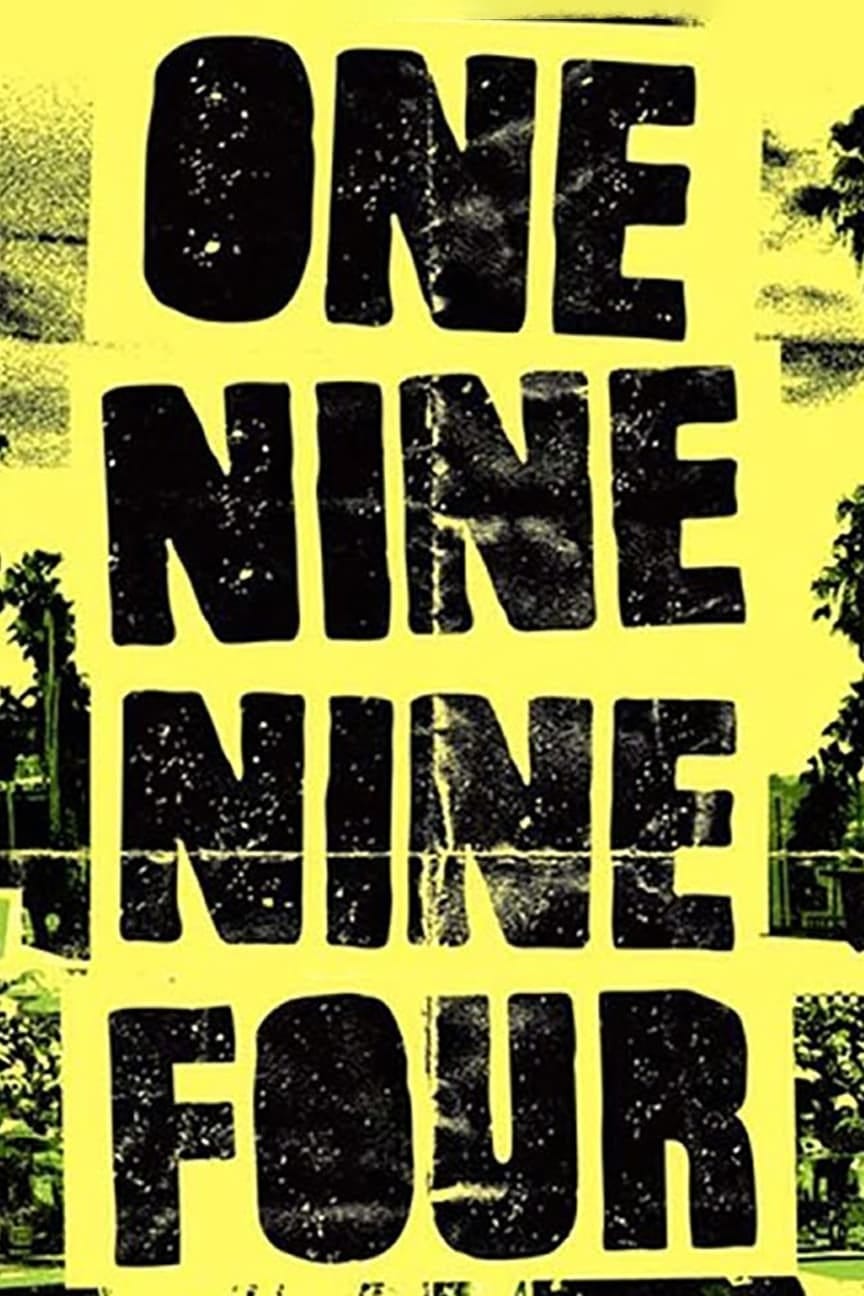
One Nine Nine Four (2009) | Directed by Jai Al-attas
Narrated by Tony Hawk, One Nine Nine Four documents the moment punk culture gained wider visibility in 1994. Featuring bands like Green Day, Rancid, Pennywise, and Bad Religion, the film explores how this sudden exposure transformed scenes built on a limited scale. The documentary avoids moral judgment, focusing instead on the consequences: shifting audiences, altered infrastructure, and the uneasy coexistence of independence and mainstream attention within a subculture ill-prepared for permanence.
See the full film list on Letterboxd
I enjoyed Dance Craze and Pick It Up.
Not one punk band mentioned. I see, Hardcore, Post-Punk but no Punk.
Try:
Rock n Roll Highschool
The Filth and The FurY
Rude Boy
The Great Rock n Roll SWindLe
Sid and Nancy
And if you insist on going off the grid:
The Harder They Come